Mapsurvey for urban planners

Collect public input where it actually lives — on the map. Residents pin the problem intersections, draw the routes they walk, and outline the areas they want changed, alongside normal survey questions. It's map-based community engagement without the enterprise price tag: free, open-source, EU-hosted, and it exports straight to QGIS.

Free & open source EU-hosted / GDPR Exports to QGIS No per-survey fees

Why planners use it

See not just how a city is drawn, but how it's lived

Spatial input, not vague text

"The crossing near the school feels unsafe" becomes an exact pin, a drawn route, and an outlined area — actionable geodata, not anecdote.

Reach beyond the town hall

Residents answer in any browser on their phone — wider, more diverse reach than a meeting or a paper form.

Straight into your GIS

Export points, lines, and polygons as GeoJSON + CSV — open in QGIS or ArcGIS with no conversion.

Budget-friendly

Free to run, open source (AGPLv3), self-hostable — no per-survey licensing that stretches a small municipality's budget.

In the field

Built for real consultations, at real scale

A transit-accessibility consultation run on Mapsurvey drew hundreds of residents mapping the stops, routes, and barriers they experience — the kind of spatial evidence that a text survey simply can't capture. Planning teams have used it for mobility, walkability, and neighbourhood-change consultations across several European cities.

600+responses in one survey
0€in licensing
GeoJSONready for QGIS

Consultation ideas

What planners map with it

From the field

Urban planning projects built with Mapsurvey
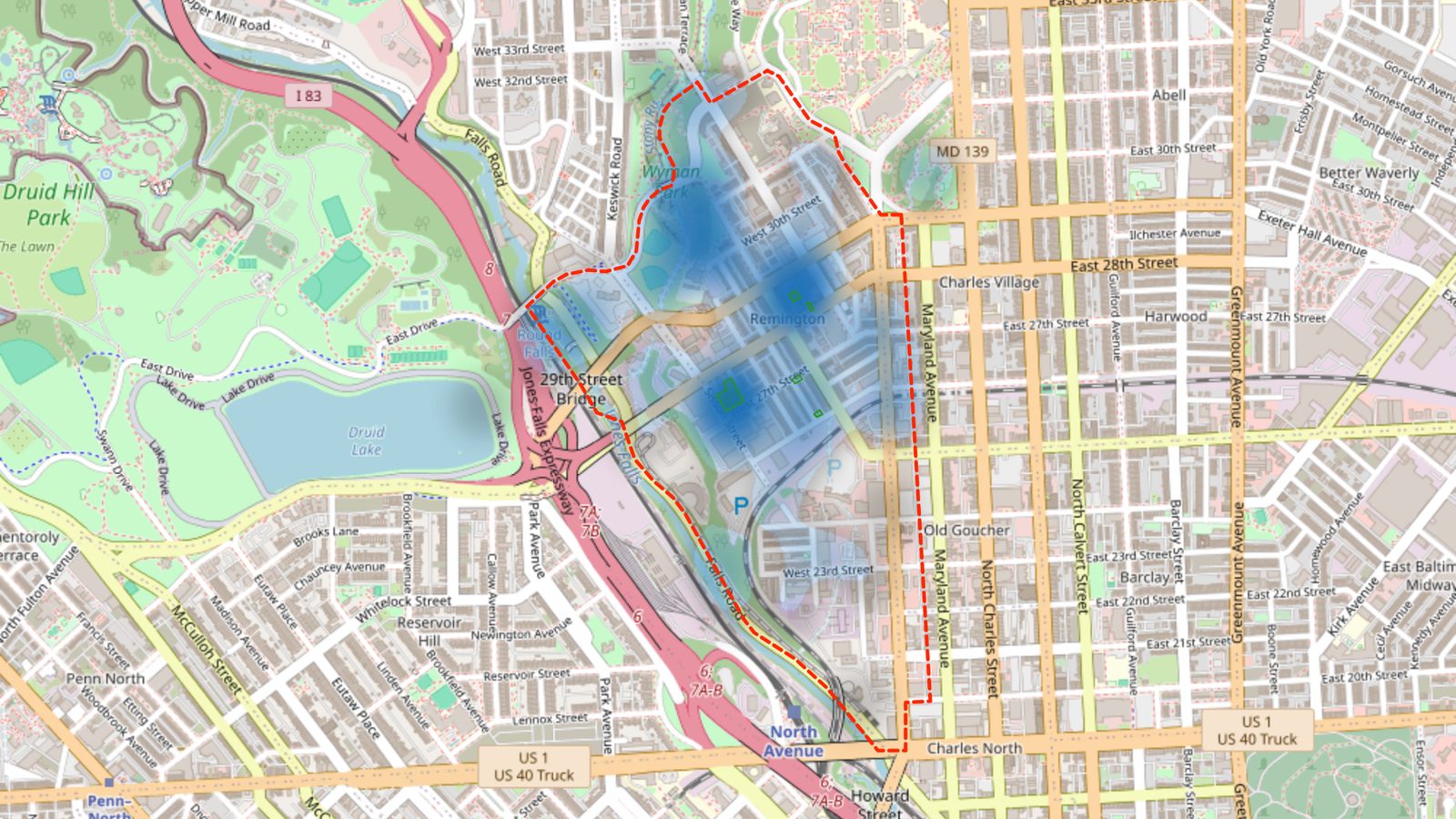
Remington residents map their neighborhood plan Case study Lessons learned

Baltimore, Maryland · Neighborhood planning

Remington residents map their neighborhood plan

Remington, a Baltimore neighborhood of row homes between Johns Hopkins and the Jones Falls, is updating its community plan. Before the planners drew anything, residents marked the map.

146 residents717 places marked3 map questionsEnglish and Spanish

Greater Remington Improvement Association Read the story →
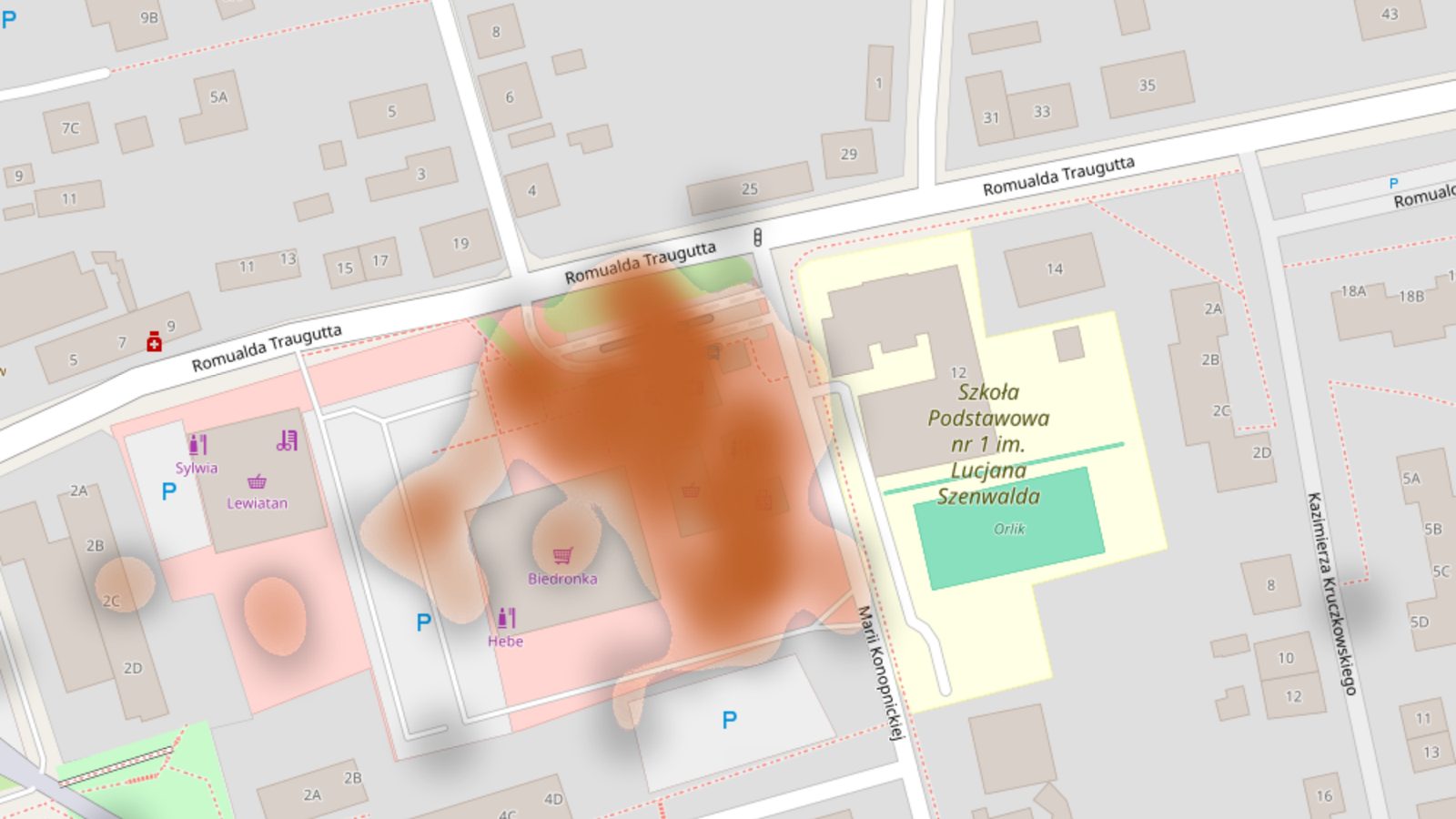
Pszów: 164 residents map their bus station and market square Case study

Pszów, Poland · Town planning

Pszów: 164 residents map their bus station and market square

Before drawing a single line, a team of town planners asked the people who use the place every day. Here is how a microplanning survey in a town of 13,000 worked.

164 residents556 marks100 on day one7 minutes

Towarzystwo Urbanistów Polskich (Society of Polish Town Planners), Silesian Branch Read the story →

All stories on this topic →

FAQ

Frequently asked questions

Is Mapsurvey free for urban-planning teams?
Yes. Mapsurvey is open source (AGPLv3) and free to start — you can create and publish a map-based survey without paying, and self-host the whole platform at no licence cost.
What can residents mark on the map?
Respondents can drop points, draw lines (routes), and outline polygons (areas) directly on the map, alongside ordinary survey questions.
Can I export results into QGIS or ArcGIS?
Every response — including map geometry — exports as GeoJSON plus a CSV for non-spatial answers, so results drop straight into QGIS, ArcGIS, or a spreadsheet. You own the data.
Do residents need to create an account to take part?
No. Respondents open a public link and answer on the map — no sign-up or login required. Only survey creators need an account.
Can we self-host it for data control?
Yes. Mapsurvey ships as a Docker stack you can run on your own infrastructure, so response data stays on servers you control — useful for GDPR and data-residency requirements.